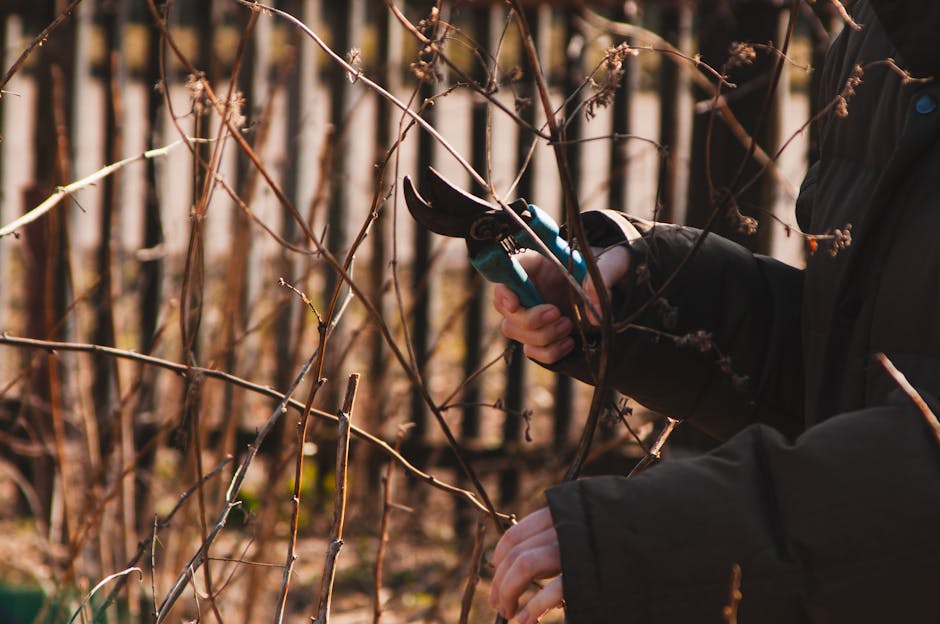
Mayfair gardeners same day emergency hedge and tree work: fast, careful help when your garden cannot wait
When a hedge starts leaning into the pavement, a branch snaps after a windy night, or a tree suddenly becomes a safety worry, you do not want a long wait and a vague promise. You want someone who understands Mayfair gardeners same day emergency hedge and tree work and can respond quickly, calmly, and with proper care. In a place like Mayfair, where frontages are close to pedestrians, neighbours, parked cars, and high-value property, a rushed job can create more trouble than it solves. The right emergency garden team knows that speed matters, but judgement matters too.
This guide explains what same day emergency hedge and tree work actually involves, when it makes sense, how a proper service should work, and what to expect if you need urgent help in central London. We will also cover practical checks, legal and safety considerations, and the common mistakes people make when they are under pressure. Truth be told, that pressure is exactly when good advice helps most.
If you are planning ahead as well as reacting to an issue, it can help to look at broader maintenance options too, such as London garden maintenance, routine hedge cutting services in London, or dedicated tree surgery support. Those pages are useful if the emergency is the first sign that regular care has been missing for a while.
Table of Contents
- Why Mayfair gardeners same day emergency hedge and tree work Matters
- How Mayfair gardeners same day emergency hedge and tree work Works
- Key Benefits and Practical Advantages
- Who This Is For and When It Makes Sense
- Step-by-Step Guidance
- Expert Tips for Better Results
- Common Mistakes to Avoid
- Tools, Resources and Recommendations
- Law, Compliance, Standards, or Best Practice
- Options, Methods, or Comparison Table
- Case Study or Real-World Example
- Practical Checklist
- Conclusion
- Frequently Asked Questions
Why Mayfair gardeners same day emergency hedge and tree work Matters
Emergency hedge and tree work matters because plant problems can become people problems very quickly. A broken limb over a driveway is not just untidy. A dense hedge that has collapsed into a path is not just inconvenient. In a busy part of London, both can affect access, visibility, safety, privacy, and even neighbour relations within hours. That is especially true in Mayfair, where properties often sit close together and access points can be tight.
There is also the simple reality of weather. Wind, heavy rain, and sudden storms can expose weak growth, loosen root plates, and turn a manageable maintenance issue into an urgent one. A hedge that has been fine for years can suddenly split. A mature tree can shed a heavy limb with little warning. You may hear the crack first. Then the thud. Not pleasant, and not something to leave for next week.
Same day work is valuable because it reduces risk early. It can restore safe access, prevent further damage, and stop a minor problem from spreading. It also buys time. Not every urgent call needs a full removal or a dramatic intervention. Sometimes a careful reduction, bracing assessment, or sectioned pruning is enough to make the site safe until a fuller plan is arranged.
For landlords, managing agents, concierge teams, and homeowners alike, speed without care is not enough. The best emergency gardeners do more than cut fast. They assess, prioritise, and leave the site tidy and usable. That difference is what people often remember later, when the panic has passed.
How Mayfair gardeners same day emergency hedge and tree work Works
A proper same day response usually starts with a quick phone assessment or message exchange. The aim is to understand what has happened, whether the issue is active or stable, and what access will be needed. A good team will ask practical questions: Is anything hanging over a public path? Is there visible movement in the trunk? Has a hedge fallen into a driveway or blocked a gate? Are there wires, balconies, or basement lights nearby? These are not bureaucratic questions. They help the crew arrive prepared.
Once the job is reviewed, the contractor decides whether the issue is suitable for same day attendance. In many cases, the answer is yes. But not every job can be completed fully on the first visit. Some work is about immediate hazard reduction. That might mean removing loose material, stabilising an unstable hedge, carrying out a targeted crown reduction, or clearing debris so people can get in and out safely. Sometimes the first visit is part-response, part-inspection, and part-clean-up. That is perfectly normal.
Good teams also think about access and disposal before they arrive. In Mayfair, a job may involve narrow side passages, controlled parking, basement level access, or shared entrances. If the site is difficult, the crew may need hand tools, compact cutting equipment, ropes, and careful manual loading rather than heavy machinery. To be fair, that is often the difference between a neat one-day response and a messy two-day disruption.
If the work involves trees rather than hedges, you may also need a more technical approach. Tree surgery can include sectional dismantling, crown lifting, branch reduction, deadwood removal, or safe clearance of storm damage. More routine or preventative work may be organised later through a broader service such as lawn care and garden upkeep or landscaping services in London if the incident has damaged surrounding beds, borders, or turf.
What a same day visit usually includes
- Initial phone triage and risk assessment
- Arrival with suitable tools for hedge and tree work
- Immediate hazard reduction where required
- Controlled cutting, pruning, or removal of unstable material
- Basic clearance of debris and access routes
- A recommendation for any follow-up work
A useful rule of thumb: if the issue affects safety, access, or further property damage, it deserves urgent attention. If it is cosmetic only, it can probably wait for a scheduled visit. That line is not always razor sharp, though. A hedge leaning onto a footpath may look cosmetic, but if the wind picks up again, it can become a real problem by evening.
Key Benefits and Practical Advantages
The obvious benefit is speed. Same day emergency help limits the time you spend worrying, chasing updates, or putting temporary fixes in place. But speed is only the first layer. The better benefit is control. You get an informed response before the problem worsens.
Here are the main advantages, in practical terms:
- Safer access: driveways, pavements, entrances, and shared routes can be cleared quickly.
- Reduced damage: early action may stop branches from failing further or hedges from collapsing more widely.
- Better neighbour relations: an unmanaged overhang or blockage in Mayfair can cause complaints fast.
- Professional judgement: a trained team can decide whether pruning, bracing, or removal is the right answer.
- Cleaner finish: proper debris clearance matters almost as much as the cutting itself.
- Less stress: when the situation is explained clearly, it feels a lot more manageable.
There is a quieter benefit too: emergency work often reveals underlying maintenance issues. Maybe a hedge has been cut too lightly for years and is now top-heavy. Maybe a tree has deadwood that should have been removed sooner. Maybe the soil around a root zone is compacted. Once the urgent issue is made safe, you can plan sensibly instead of reacting repeatedly. That is the real win.
Expert summary: The best emergency hedge and tree response is not the fastest possible cut. It is the fastest safe cut, backed by clear judgement, tidy workmanship, and a realistic plan for whatever comes next.
Who This Is For and When It Makes Sense
This kind of service is for anyone who needs immediate help with hedge or tree problems in a built-up urban setting. In Mayfair, that often includes homeowners, estate managers, office premises teams, shopfront operators, block managers, and landlords responsible for external areas. If there is a public-facing boundary, shared access point, or high footfall nearby, urgency becomes more than a convenience. It becomes a sensible precaution.
It makes sense when a hedge or tree is doing one of the following:
- blocking entry, exit, or visibility
- leaning dangerously after wind or impact
- dropping large limbs, dense debris, or heavy material
- affecting a pathway, parking bay, or private access route
- encroaching where immediate clearing is needed
- raising concern about falling material during the next weather change
It can also make sense after accidental damage. A vehicle scrape, building works, scaffold removal, or a contractor incident can all leave hedging or tree growth unstable. Not every case needs dramatic action, but it does need a calm, informed look. If you are unsure, that is usually a sign to call. Better a slightly cautious call than a preventable mess later.
One small but important point: not every garden emergency is the same. A broken box hedge beside a terrace and a split lime limb above a shared courtyard are very different jobs. The right team should recognise that without overcomplicating it. Simple answer, really. Different problem, different fix.
Step-by-Step Guidance
If you need urgent hedge or tree work, a sensible process keeps things moving and helps avoid confusion. Here is the practical sequence most people should follow.
- Identify the immediate risk. Ask yourself whether the issue blocks access, threatens people, or could worsen if left alone for a few hours.
- Take a quick look from a safe distance. Do not stand beneath damaged limbs or lean into unstable growth. If in doubt, stay back.
- Take photos. A few clear images help the contractor understand the scene before arriving.
- Explain the access situation. Mention gates, parking restrictions, shared entrances, narrow passages, or anything else that might affect attendance.
- Ask what can be done same day. It may be a full clearance, a partial make-safe, or an emergency reduction.
- Confirm waste handling. Check whether green waste removal is included and how the site will be left.
- Request a follow-up plan if needed. Good emergency work often leads into scheduled maintenance rather than trying to solve every issue at once.
If the situation involves a larger tree or a protected setting, expect the contractor to pause and assess properly before cutting. That is a good sign, not a delay. Careful work often looks slower at the start because it avoids bigger trouble later.
A simple decision path
- Is anyone at risk? If yes, treat it as urgent.
- Is access blocked? If yes, a same day response may be justified.
- Is the damage likely to worsen? If yes, move quickly.
- Is it just untidy growth? If yes, schedule normal maintenance.
That sounds obvious, but under pressure people often miss the basics. We all do. The trick is to slow the thinking down for a minute so the job can be handled properly.
Expert Tips for Better Results
In our experience, emergency hedge and tree work goes more smoothly when the client gives clear, practical information upfront. A few good details can save a lot of back-and-forth. Mention what changed, when it changed, and whether anything is hanging, split, or unstable. A short video can help too, if it is safe to take one.
Here are some field-tested tips that tend to improve the outcome:
- Do not over-trim in a panic. Cutting too much can leave hedges bare or trees unbalanced.
- Keep children, pets, and visitors away from the area. Sounds obvious, but it matters.
- Allow space for access and waste removal. A narrow entrance makes urgent work slower.
- Ask for a clear explanation of the method. You want to know what will be cut and why.
- Plan for aftercare. Watering, checking stability, or follow-up pruning may be needed.
- Save any related correspondence. If neighbours, management, or insurance are involved, a simple record helps.
One thing people often forget is light and visibility. A hedge or tree that looked harmless at midday can look very different after dusk, especially in winter when London closes in early and the shadows make a branch seem lower than it really is. That is one reason local teams work so hard on clear assessment before they start cutting.
If the emergency has exposed a wider maintenance gap, it may be worth reviewing your regular schedule. A simple programme of hedge shaping, tree inspections, and seasonal tidy-ups can prevent a lot of urgent callouts. Not every garden needs constant attention, but neglected edges have a way of announcing themselves loudly.
Common Mistakes to Avoid
When people are dealing with urgent hedge or tree problems, they often make the same avoidable mistakes. The good news is that most of them are easy to sidestep if you know what to look for.
- Waiting too long: hoping the wind will "sort itself out" is rarely a strategy.
- Hiring on speed alone: the quickest promise is not always the safest or cleanest solution.
- Cutting without a plan: random pruning can weaken the plant or leave an ugly finish.
- Ignoring access issues: tight entrances, residents, and parking controls affect the whole job.
- Forgetting disposal: a pile of branches left behind is not a finished emergency response.
- Assuming all tree work is the same: hedge cutting and tree surgery are related, but not interchangeable.
Another common one is the "I'll just trim a bit myself" approach. Sometimes that is fine for a small, safe hedge. But if the issue involves height, instability, larger woody stems, or anything over a public boundary, it is better not to improvise. A wobble on a ladder has a way of becoming a very expensive story. No need for that.
One more subtle mistake: not asking about follow-up care. Emergency work often leaves plants under a bit of strain. Without a sensible aftercare plan, the same area can become messy again within months.
Tools, Resources and Recommendations
Emergency hedge and tree work relies on the right equipment, but the point is not the shiny tools. The point is using the right tool for the right task, in the right place. In a dense area like Mayfair, that often means a mix of hand tools and controlled cutting equipment rather than bulky machinery.
Commonly used tools may include:
- hand saws for controlled branch removal
- hedge trimmers for shaping and clearance
- secateurs and loppers for precise pruning
- ropes and lowering gear for safe section removal
- stability and access equipment where appropriate
- protective gear such as gloves, eye protection, and helmets
For property owners, the most useful "resource" is usually a clear site briefing. Keep note of access codes, building rules, neighbour concerns, and any known issues with the garden. If the work is part of a wider schedule, a page like commercial garden maintenance in London may be relevant for larger properties, while seasonal garden maintenance can help reduce repeat emergencies over the year.
Practical recommendations for the homeowner or manager side:
- keep a few recent photos of the frontage or tree line
- note any previous pruning dates if you know them
- record recurring wind exposure or shaded damp areas
- set a reminder for routine inspection after storms
That little bit of preparation can save time later. Not glamorous, but useful.
Law, Compliance, Standards, or Best Practice
Emergency hedge and tree work still needs to be done carefully and in line with good practice. In London, that means paying attention to property boundaries, public safety, and any special protections that might affect the tree or the site. If a tree is protected, sits in a conservation area, or is part of a managed estate, extra care may be required before non-urgent work is carried out. A competent contractor should flag that and proceed cautiously.
There are also practical safety expectations. Work near roads, pavements, entrances, and other occupied spaces should be controlled properly, with clear separation between the work zone and the public. If climbing, cutting at height, or lowering heavy material is involved, the team should use appropriate methods and not guess their way through it. That may sound obvious, but let's face it, not every emergency job is handled by people who love paperwork and planning. The good ones do.
For clients, the main best-practice points are straightforward:
- confirm that the team is experienced with urgent hedge and tree work
- ask how they will make the area safe
- check how debris will be removed
- raise any concerns about neighbours, tenants, or public access early
- keep a record of what was done if the work relates to property management or insurance
If there is any uncertainty around ownership, boundary lines, or protected planting, it is sensible to slow down and get it right before bigger cuts are made. Urgent does not mean careless. Good practice still applies, even when the call comes in fast and the weather is rubbish.
Options, Methods, or Comparison Table
Not every emergency requires the same response. Sometimes the right answer is a quick make-safe. Sometimes it is pruning. Sometimes it is full removal. The table below gives a plain-English comparison.
| Option | Best for | Typical outcome | Notes |
|---|---|---|---|
| Make-safe only | Immediate danger or blocked access | Area becomes safe for the short term | Often followed by later scheduled work |
| Emergency pruning | Overhanging, broken, or unstable growth | Reduced risk and better clearance | Good balance of speed and control |
| Hedge reduction or reshaping | Top-heavy or storm-damaged hedges | Restored structure and cleaner boundary line | May affect appearance temporarily |
| Sectional tree work | Large or awkward trees in tight spaces | Controlled dismantling or safe removal | Requires more technical skill |
| Full removal | Severe failure, deadwood, or unmanageable risk | Problem removed at the source | May need follow-up planting or landscaping |
In real life, the choice is usually guided by safety, access, and plant condition. A seasoned gardener or tree specialist will not default to the most dramatic option. They will choose the least disruptive method that genuinely solves the problem. That is usually the better answer, even if it is a little less exciting.
Case Study or Real-World Example
Picture a typical Mayfair morning after a windy night. A dense hedge beside a private mews entrance has shifted outward and partly blocked access to bins and delivery space. At the same time, a mature tree in the rear courtyard has dropped a limb that is now resting awkwardly against a fence. Nothing is completely collapsed, but the site feels unsafe and a bit tense. People are stepping around it, which is never a great sign.
In a case like this, the first priority is to make the area safe and restore access. A same day team would usually assess both issues together, because the hedge and tree work may be connected by the same storm conditions. The hedge might need controlled reduction and clearing. The tree limb might need sectional removal and a quick check for further instability. The team would also look at whether the fence, path, or nearby planting has been damaged.
What makes this sort of response effective is not just the cutting. It is the order of operations. Safe access first. Hazard reduction second. Tidying and waste removal third. Follow-up advice last. That sequence keeps everyone calmer and avoids half-finished work.
By the end of the visit, the entrance is usable again, the courtyard is clear, and the client knows what needs monitoring over the next few days. A bit of breathing room returns. You can almost hear the place settle. That matters more than people sometimes admit.
Practical Checklist
Use this checklist if you need urgent hedge or tree work in Mayfair. It keeps the decision simple.
- Is anyone in immediate danger?
- Is access blocked for residents, visitors, or deliveries?
- Are branches, trunks, or hedge sections unstable?
- Have you taken photos from a safe distance?
- Have you described the access details clearly?
- Do you know whether the issue needs pruning, reduction, or removal?
- Have you asked how waste will be cleared away?
- Have you checked whether any follow-up maintenance is likely?
- Have you kept pets, children, and visitors away from the area?
- Have you saved any notes for management, insurance, or neighbour communication?
Quick practical reminder: if the answer to any safety question is uncertain, treat it as urgent until a professional has looked at it. That cautious approach is usually the wisest one.
Conclusion
Mayfair gardeners same day emergency hedge and tree work is really about one thing: restoring safety and order quickly without making a rushed decision worse. In a dense, fast-moving part of London, that combination of speed and judgement is worth a lot. A good emergency response reduces risk, protects access, and gives you a clear plan instead of guesswork.
The best outcome is rarely the loudest one. It is the one that leaves the site safe, tidy, and under control, with the work explained in plain English. If that is what you need, focus on clear communication, proper assessment, and sensible follow-up. Small decisions made well can prevent a great deal of stress later.
Get a free quote today and see how much you can save.
And if this emergency has reminded you that the garden has been asking for attention for a while, that is okay. Happens all the time. The good news is that one sensible call can put things back on track.
Frequently Asked Questions
What counts as same day emergency hedge and tree work?
It usually means urgent attendance on the day the issue is reported, or as close to it as possible, to make the area safe or restore access. That may include broken branches, storm damage, blocked entrances, or unstable hedges.
How quickly can a Mayfair gardener respond in an emergency?
Response times vary by workload, location, and the nature of the problem. A true same day visit is often possible for urgent safety or access issues, but the contractor may first ask for photos or a description to confirm what is needed.
Is emergency tree work the same as regular tree surgery?
Not quite. Emergency work focuses on immediate risk reduction and access. Regular tree surgery is more planned and may involve shaping, deadwood removal, crown reduction, or longer-term management.
Can a hedge really be an emergency?
Yes, if it blocks access, has collapsed into a public or private route, or is unstable after wind or impact. It may not sound dramatic, but a fallen hedge can create very real safety and neighbour issues.
What should I do before the team arrives?
Stay clear of unstable material, keep children and pets away, take a few photos from a safe distance, and make sure the contractor knows about access arrangements. If anything looks especially dangerous, do not try to fix it yourself.
Will the work always be completed fully on the same day?
Not always. Sometimes the first visit is a make-safe response, with full pruning or follow-up work scheduled later. That is often the safest and most sensible approach.
How do I know if a tree needs urgent attention?
Warning signs include visible splitting, hanging limbs, sudden leaning, root movement, heavy deadwood, or debris after wind. If the tree is near people, vehicles, or access routes, it is worth getting it assessed promptly.
Do I need permission for emergency hedge or tree work?
It depends on the site, ownership, and whether any protections apply. In some cases there may be conservation or planning considerations. A good contractor should raise any concerns before making non-urgent cuts.
What happens to the waste after emergency work?
Most professional teams remove the debris as part of the job or arrange proper clearance. Always confirm this in advance, because a pile of branches left behind can turn a fast fix into a second problem.
Is emergency work more expensive than a normal visit?
It can be, because same day response usually involves prioritising the job, travel, and potentially more complex access or risk management. That said, the final cost depends on what actually needs doing, so a clear assessment matters.
Can I just cut the hedge or tree myself?
Small, low-risk tidying may be manageable, but anything unstable, tall, overhanging, or close to public areas is best left to experienced professionals. A rushed DIY fix can create more danger than it solves.
What makes a good emergency garden service in Mayfair?
Look for clear communication, quick but careful assessment, appropriate equipment, tidy waste removal, and a sensible explanation of what will be done and why. In a place like Mayfair, discretion and precision matter too.
What if the issue keeps happening after storms?
That usually means the underlying plant structure or maintenance schedule needs attention. A follow-up plan for pruning, reduction, or routine inspection is often the best way to stop repeat emergencies.
Should I book regular maintenance after an emergency?
Usually yes, especially if the hedge or tree is exposed, mature, or close to boundaries. Regular care can reduce the chance of another sudden callout and keeps the garden looking far better over time.
If you need urgent help, or you just want a calm second opinion before the situation gets worse, reach out and get the issue assessed properly. A good response takes the pressure off, and that can make all the difference on a tricky day.