Hedge Trimming in Mayfair
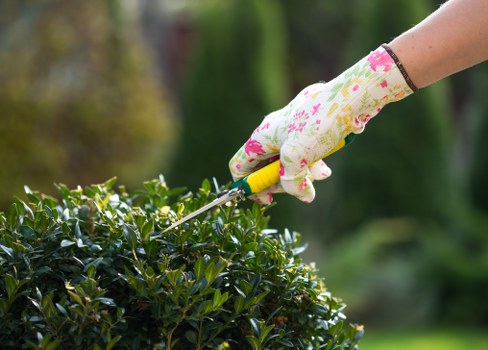
Hedge trimming in Mayfair calls for neat, controlled cutting that respects the shape of the planting while keeping gardens, forecourts and boundary lines looking orderly. Our service focuses on maintaining healthy growth, clear edges and a balanced finish, whether the hedge is part of a private courtyard, a formal front garden or a larger landscaped setting. We work with straightforward maintenance needs and more detailed shaping, so the result looks tidy without being overcut or left uneven.
We handle regular hedge maintenance, seasonal reduction, light reshaping and selective cutting where a hedge has begun to lose its outline. Where appropriate, we can also discuss related garden tasks through our wider range of services, including garden maintenance and lawn mowing, so the surrounding space is kept in step with the hedge itself. If you are planning a larger outdoor refresh, landscape gardening and landscaping may also be useful alongside hedge work.
For a clear quotation, send a brief description of the hedge size, access and the finish you want, then ask for a quote in plain terms. We can help keep the conversation focused on the work needed, the shape you would like retained and any practical access points that may affect the job.
Regular Hedge Maintenance
Routine hedge trimming is often the simplest way to keep growth manageable and the boundary line clean. This is especially useful where hedges frame steps, drives, entrances or paved areas and need to remain visually sharp. A regular cut helps the hedge hold its line, reduces the risk of it spilling into paths, and supports a consistent appearance across the season. It also allows smaller corrections to be made before the growth becomes too dense or misshapen.
In practical terms, maintenance trimming can involve straightening sides, lifting lower growth where needed, and evening the top so light reaches the plant more consistently. Some hedges only need a light pass, while others benefit from a more deliberate tidy after a period of strong growth. If you are comparing service options, our services overview can help you see how hedge trimming sits alongside other garden work, and pricing and quotes is a sensible next step when you want to understand how the work is typically assessed.
Shaping for a cleaner finish
Hedges are not all maintained in the same way. Formal hedges usually need crisp sides and a neat top, while more relaxed planting may suit a softer outline with only the most obvious uneven growth removed. The aim is to keep the plant attractive and controlled without forcing one style onto every garden. We focus on the hedge you have, the finish you prefer and the amount of correction the growth genuinely needs.
Reducing Overgrowth Safely

When a hedge has grown beyond its intended size, trimming may need to be approached in stages rather than cut back too aggressively in one visit. That can mean taking off the outer growth first, restoring access and sight lines, and then shaping the hedge carefully so the result remains balanced. This matters where the hedge borders a walkway, frames a driveway or sits close to walls and windows. A controlled approach helps keep the hedge looking deliberate rather than abruptly reduced.
For larger or heavier growth, it can be useful to combine hedge work with broader outdoor tidying, particularly if cuttings and surrounding plant material need attention at the same time. Our garden clearance page covers a wider kind of tidy-up, while tree lopping and removal is relevant where taller vegetation also needs managing. For some properties, a combined visit can make the overall garden finish more coherent, especially where hedges, shrubs and trees overlap.
It is usually best to describe how dense the hedge is, whether both sides need cutting and whether the top edge is reachable without special access. A few well-chosen details make it easier to judge the work properly. Clear photographs can also help when the hedge is tall, mixed in shape or part of a more complex frontage, so the quotation reflects the actual task rather than a rough guess.
Hedge Trimming for Frontages and Boundaries
Boundary hedges do more than mark a line; they also affect how the rest of a property is seen from the street or garden entrance. A cleanly trimmed boundary can make a frontage look more orderly, support better access and reduce the sense that planting is pressing too far into shared space. We can work on hedges that need a simple straightening as well as those that require a more careful correction to restore balance across the full run.
Some customers want the hedge to stay tall and screening, while others prefer a lower line that feels more open and manageable. The right trimming approach depends on the hedge species, the current shape and how much growth has been allowed to build up. If related planting needs attention as well, garden maintenance provides a useful broader option, while landscape gardening may be relevant when the hedge sits within a wider planting design.
To keep the work efficient, it helps to note whether the hedge is roadside, private, enclosed or shared. That context affects practical choices such as how much space is available to work and how the clippings should be handled. A concise enquiry with the hedge length and desired finish is usually enough to begin, and it makes it easier to move towards a quotation that suits the task.
Matching the Hedge to the Garden Layout
Working with shape, height and planting style
Not every hedge should be cut into the same profile. Some gardens suit a formal, squared edge; others benefit from a less rigid line that sits comfortably with borders, paving or mixed planting. Our hedge trimming service is designed to respect those differences. A carefully chosen finish can help a small courtyard feel composed, a side return feel less cluttered and a larger garden feel more deliberate and settled.
We also consider how the hedge relates to nearby planting and hard landscaping. If the hedge backs onto decking, paving or a lawn, the cut often needs to be neat enough to frame those features without drawing too much attention away from them. Where the garden includes timber surfaces, our decking services may be useful for wider improvement work, while landscaping can support a fuller redesign if the hedge is part of a bigger plan.
Good hedge work is often about restraint. Overcutting can leave gaps or an uneven edge, especially where the hedge has a mixed growth habit. A careful trim preserves the plant’s thickness and keeps the overall line steady. That is why we prefer to discuss the desired finish first, then shape the work around the hedge itself rather than forcing a single style onto every boundary.
Preparing for a Quote

A good quotation starts with simple, relevant details. Knowing the hedge type, approximate length and height, and whether the cut is for routine maintenance or a more substantial reduction all helps the estimate stay realistic. If access is tight or the hedge is especially tall, that may change the practical steps involved. The more precisely the work is described, the easier it is to match the service to the job and avoid unnecessary back-and-forth.
It can also help to say whether the hedge clippings need to be taken away and whether you want any surrounding tidying carried out at the same time. If the hedge forms part of a larger outdoor project, our landscape gardening page explains a broader scope of work, while garden clearance is a useful reference if the area needs a fuller clean-up after the trim. These pages can help you frame a request before you ask for a quotation.
When you are ready, keep the enquiry practical and direct. Mention the finish you want, the part of the garden involved and any obstacles that could affect access. That single step is usually enough to start the process, and it keeps the discussion focused on the work itself rather than on unnecessary detail.
About Mayfair
Mayfair sits in central London, within the City of Westminster, and is known for its grid of elegant streets, historic squares and a strong association with high-end retail, hotels and private residences. The district developed significantly in the eighteenth century on land once associated with the annual May Fair, from which it takes its name. Over time it became one of London’s most distinguished West End neighbourhoods, with townhouses, embassies, galleries and restaurants contributing to its layered character. Grosvenor Square is one of the best-known open spaces in the area, while Berkeley Square, Hanover Square and Mount Street add to the locality’s recognisable pattern of formal urban spaces and refined street frontages. The neighbourhood’s architecture includes Georgian terraces, later commercial buildings and carefully maintained later developments, creating a streetscape where continuity and adaptation sit side by side. Its setting between Hyde Park, Park Lane, Oxford Street and Piccadilly also places it within easy reach of some of central London’s best-known routes and amenities. Although Mayfair is widely associated with commerce and prestige, it remains a residential district as well, with a notable concentration of apartments, converted houses and discreet private entrances tucked behind its main thoroughfares. This mix of uses gives the area a distinctive atmosphere that is calmer than nearby shopping streets yet still closely connected to the pace of the West End.
Seasonal Cutting and Neatness
Hedges grow at different speeds depending on species, position and exposure, so seasonal trimming needs to be judged on what the plant is actually doing rather than on a fixed routine alone. In some cases the priority is simply to keep a hedge neat and within bounds; in others the aim is to restore a cleaner edge after a burst of growth. Our approach is built around the condition of the hedge at the time of the visit, not around a one-size-fits-all formula.
Seasonal work can be especially useful when growth begins to soften the outline of a garden or obscure key details such as paving edges, steps or boundary lines. If the hedge is one element in a broader outdoor refresh, you may also want to look at lawn mowing so the grass and hedge present well together. For properties where the planting is being reworked in a more comprehensive way, landscaping and recycling and sustainability may be relevant pages to review.
We also keep the work grounded in what the hedge can sensibly support. Cutting more than the hedge can absorb may not improve the final result, especially if the plant is stressed or has already been reduced elsewhere. A sensible trim respects the plant’s shape and leaves the garden looking cared for rather than stripped back. If you want to make a request, describe the result you want first and then the current condition of the hedge.
Additional Garden Services Around Hedge Work

Hedge trimming is often most effective when it sits alongside related garden tasks that keep the wider space in line. A hedge may be the most visible feature, but nearby planting, open areas and access routes can influence how finished the garden feels. That is why we can discuss supporting work such as general maintenance, selective clearance and, where suitable, broader gardening help rather than treating the hedge as an isolated feature.
If the work is part of a fuller tidy-up, our garden maintenance page is a useful starting point for ongoing care, while garden clearance may suit areas that need more substantial cutting back or removal of accumulated growth. Where trees are also encroaching, tree lopping and removal may be relevant, and for customers comparing how the different services fit together, services overview gives a broader picture of the available work.
To make the quotation process smoother, a simple note about the garden layout, hedge position and any extra areas you want considered is usually enough. There is no need to overcomplicate the request; just keep it practical and specific. Send the essentials, ask for a quotation and let the rest be assessed from the job itself.
Choosing the Right Level of Hedge Work
Some hedges only need a light trim to keep their line tidy, while others need a more deliberate cut to restore shape and manage uneven growth. Choosing the right level of work matters because different hedges respond differently to cutting. A careful reduction can help the plant remain dense and orderly, whereas a purely cosmetic snip may not be enough if the hedge has become untidy or encroached on the available space.
When deciding what to ask for, think about whether the hedge is mainly for screening, decoration or boundary marking. That purpose influences the best finish. A screening hedge may need height preserved, a decorative hedge may need symmetry, and a boundary hedge may need the clearest possible line. If you are comparing the hedge job with other outdoor improvements, hedge trimming is naturally central, while about us can be useful if you want to understand the wider business before making contact.
Our aim is to keep the service practical and properly matched to the hedge, rather than pushing every job towards the same outcome. A well-trimmed hedge should sit comfortably within its setting, support access and look deliberate from both near and far. If you would like to request a quotation, keep it simple, clear and focused on the hedge itself.